
Industries
With a deep understanding of local conditions, we tackle complex issues from multiple perspectives to deliver innovative solutions
Industries
Energy
Providing advice and forecasts in the area of energy sector investment

We provide expert advice on energy. Principal economics are experts in the field of energy economics with experience in developing and adopting economic models assessing energy issues in New Zealand.
Environment
Fundamental uncertainty in the future climate requires new ways of planning

We offer a comprehensive range of services to support our clients in navigating the complex landscape of climate change and environmental issues. Our team of experts are experienced in conducting literature reviews, policy assessments, and decision making under conditions of fundamental uncertainty
Health
Housing
Housing depends on a range of factors, including affordability, location of jobs and preferences

Our team at Principal Economics encompass a unique combination of knowledge, experience, and skills suited for solving spatial and urban development and housing issues.
Infrastructure
Robust economic frameworks and empirical methods, informed by evidence, shaped in collaboration with stakeholders.
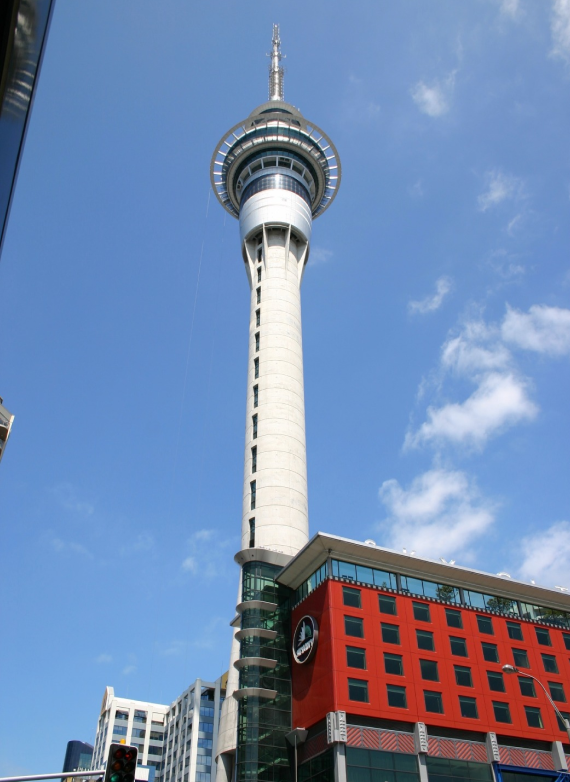
We assist our clients in identifying the primary and secondary impacts of infrastructure investments.
Tourism
Valuing the direct and indirect benefits and costs of tourism

We have used different data sets alongside with our tourism modelling capabilities for evaluating the impact of a range of investments and policy initiatives in the tourism sector.
Regulatory Economics
Transport
Accessibility is the potential for interaction with locations dispersed over space
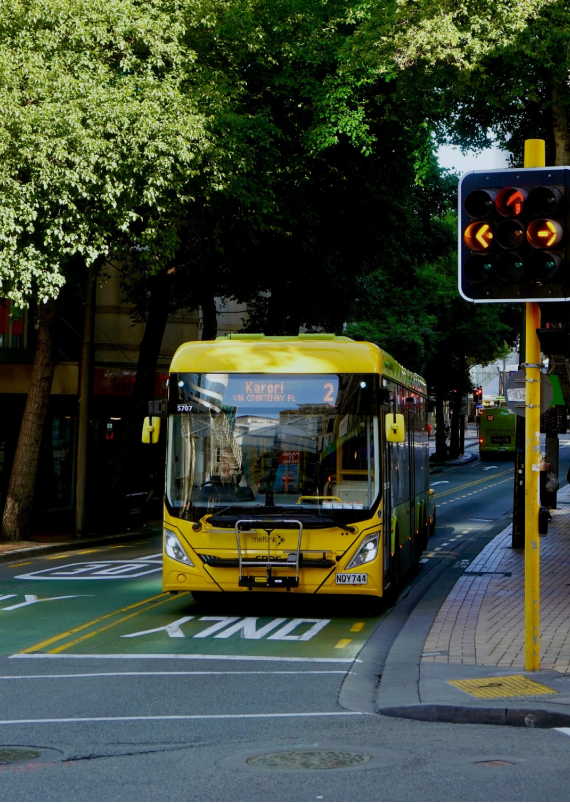
Our team currently lead some of the most important transport policy topics. This includes providing expert advice on transport equity, emission reduction policies and decision making under deep uncertainty.
Capabilities
Our innovative solutions are tailored carefully to the questions at hand
Capabilities
Economic impact analysis

Making decisions in uncertain times needs precise understanding of the costs and benefits. We can assist by identifying fiscal, economic and wellbeing benefits from your investment decision or policy intervention.
Economic research

Making decisions in uncertain times needs precise understanding of the costs and benefits. We can assist by identifying fiscal, economic and wellbeing benefits from your investment decision or policy intervention.
Market analysis

Making decisions in uncertain times needs precise understanding of the costs and benefits. We can assist by identifying fiscal, economic and social benefits from your investment decision or policy intervention.
Macroeconomic consulting

In the rapidly changing global economy, it is increasingly essential to have a comprehensive understanding of macroeconomic dynamics and conduct a robust analysis of the economic environment to make informed strategic decisions.
Cost benefit analysis

Making decisions in uncertain times needs precise understanding of the costs and benefits. We can assist by identifying fiscal, economic and wellbeing benefits from your investment decision or policy intervention.
Forecasting and modelling

Making decisions in uncertain times needs precise understanding of the costs and benefits. We can assist by identifying fiscal, economic and wellbeing benefits from your investment decision or policy intervention.
Spatial analysis and modelling
In the rapidly changing global economy, it is increasingly essential to have a comprehensive understanding of macroeconomic dynamics and conduct a robust analysis of the economic environment to make informed strategic decisions.
Business case approach

Our team have led business cases for a range of sensitive topics.
About Us
Our consultancy services are driven by the questions of clients, informed by robust evidence, shaped in collaboration with stakeholders, rooted in multi-deciplinary approaches and guided by principles of Economics. Our company is a Tier 2 AOG consultant.
About Us
Our purpose, mission and values

We exist to strengthen economic decision-making in complex systems. Grounded in economic theory and rigorous analytical practice, we apply advanced modelling and disciplined strategic reasoning to support institutions facing high-stakes choices. We integrate emerging analytical tools, including artificial intelligence, where they enhance clarity and evidence — not as substitutes for judgement, but as instruments of deeper economic insight.
Our Corporate Commitments

At Principal Economics, we are dedicated to making a positive impact on society and delivering value to our clients through our unwavering commitment to excellence and responsible business practices. As an economics consulting firm, we recognize the importance of addressing the pressing challenges of our time and striving for inclusive growth, community engagement, diversity and inclusion, ethics and integrity, health and safety, as well as sustainability.
How We Work
Exceptional People and Culture
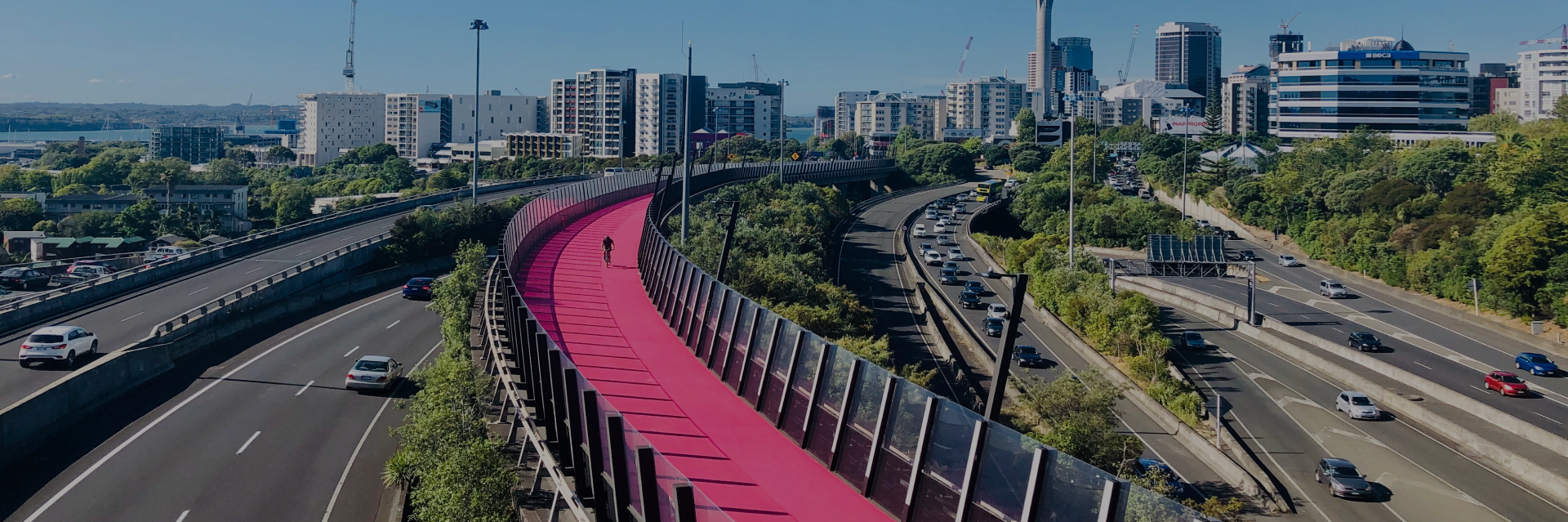
At Principal Economics, our approach to work is driven by a commitment to excellence, collaboration, and client-centricity. We leverage our expertise, draw inspiration from industry-leading organisations, and continuously refine our practices to ensure we deliver exceptional results. Here's an overview of how we work:

Publications
Our reports offer inspiring and independent insights into various topical issues
Knowledge Hub
Here we provide frontier knowledge and data collected from our latest reports and analyses
Articles
Our articles challenge the status quo by reframing current issues, sparking fresh conversations and finding new solutions
Tools
Artificial Intelligence, Economic and Policy Toolkits
Publications
Knowledge Hub
Articles
Tools
Economic Impact of New Zealand's Second Emission Reduction Plan
CGE modelling of ERP2

This report uses CGE modelling to estimate GDP, employment and distributional impacts of the Emissions Reduction Plan 2 (ERP2), which delineates Aotearoa New Zealand's strategy to attain its emissions reduction objectives for the 2026-2030 period, alongside setting a path towards achieving long-term emissions reduction objectives.
Climate change adaptation and investment decision making

Aotearoa New Zealand suffers from an infrastructure deficit. Without the key infrastructure needed now for our economy to thrive, we deprive future generations from significant economic prosperity.
Review of Housing and Business Development Capacity Assessments

The Ministry for the Environment (MfE) appointed Principal Economics to review the Housing and Business Development Capacity Assessments HBAs). Our review included all councils’ HBAs, except for Rotorua and Wellington, which were not available at the time of this review.
Incorporating distributional impacts (equity) into the CBA framework

Transportation decisions can have large and varied impacts on travellers and their communities. It’s important to measure these effects and consider their impact on various groups when planning projects.
Business Development Capacity Assessment for Dunedin City

Dunedin City Council appointed Principal Economics to provide a comprehensive assessment of the sufficiency in development capacity of business land within Dunedin to fulfils requirements of the the National Policy Statement on Urban Development
See all Publications
Read inspiring publications that challenge conventional thinking by reframing current issues, igniting fresh conversations, and discovering innovative solutions.
Database of road transport elasticities
Emission reduction initiatives

We provide a comprehensive summary of potential policy areas suitable for emissions reduction. This inludes a review of policy areas including active transport, mobility as a service, ridesharing, telework, parking pricing, road user pricing, carbon taxes and more.
VKT Dashboard
This household and regional VKT dashboard showcases the power of using frontier data manipulation methods and granular IDI data
Drivers of House Price Growth

We provide an extensive review and test the factors of housing price growth in New Zealand. We assessed the level of agreement and certainty with the source of house price growth over the last fifty years.
See All Knowledge Hub
SURF
Shaping New Zealand’s Health Adaptation Strategy
Transport equity
See All Articles
Contact Us
Our team
Chief Executive Officer

Eilya is the CEO of Principal Economics with extensive executive and consultancy experience.
Chris Parker

Chris Parker is a leading applied economist and policy advisor with deep expertise in urban economics, infrastructure, and cost-benefit appraisal.
Our Team

Our team integrates economic theory, advanced modelling, and disciplined strategic reasoning to support consequential decisions. We operate across infrastructure, energy systems, climate transition, and regulatory economics.
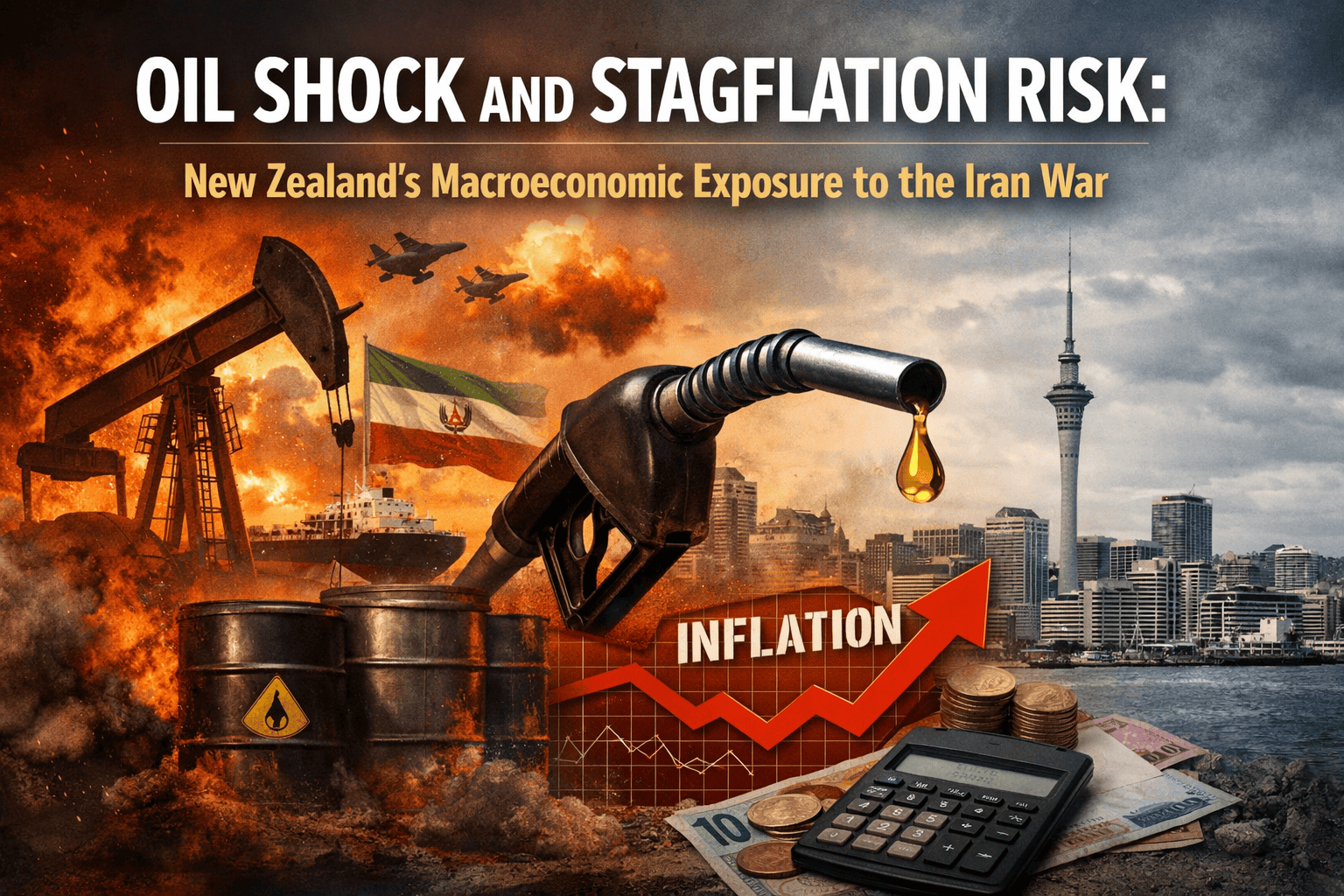
Oil Shock and Stagflation Risk: New Zealand’s Macroeconomic Exposure to the Iran War
Leonard Hong
Prolonged Consequences of the Iran War
A Global Energy Shock with Domestic Consequences
New Zealand is facing an ongoing macroeconomic challenge because of the Israel-US military invasion of Iran in February 2026. The sudden shock to the energy sector caused by the war led to a significant oil price shock, with uncertain duration for the world economy.
The International Energy Agency (IEA) described the situation as the “largest supply disruption in the history of the global oil market.”
Despite yesterday's announcement of a two-week ceasefire, the outlook remains highly uncertain. The current Trump Administration has demonstrated unpredictability in its approach, often operating from a zero-sum perspective in international relations.
A Fragile Domestic Starting Point
Our current circumstances are not optimistic either. Our domestic economy has stagnated for the past couple of years, with our GDP per capita dropping by 3.9 per cent since 2023.
Inflation has dropped from 7.2% to 3.1% as of December 2025, and it is anticipated to worsen significantly beyond the Reserve Bank of NZ's 1–3% target range.
From a fiscal policy standpoint, the New Zealand government is currently stuck, as its attempt to consolidate fiscal policy by 2028 is already at risk due to higher fiscal deficits under the previous Labour government, caused by declining tax revenue and weak demand.
This is not only a shock; it is a macroeconomic shock that is impacting an already fragile, potentially stagflation-prone economy.
Transmission Through Prices and Costs
For New Zealand, this presents immediate cost pressures and potential longer-term risks to inflation, consumption, and investment decisions. There is a very high likelihood of renewed inflationary pressure if elevated oil prices persist. Households would already have felt pressure on their disposable incomes.
The rising fuel costs are especially pertinent, given a 140% increase in diesel since the start of the US-Iran War, which is more expensive than both 91 and 95 fuels. Many businesses that rely on industrial logistics and the transport of goods and services will witness rising input costs across various sectors, including the primary and manufacturing sectors.
Policy Constraints and Trade-offs
The New Zealand government opted to use public finance to support both households and businesses from further consequences. The government has already committed to using the operational allowance to support low-income families with $50 per week, at a cost of $373 million over a 12-month period.
Monetary policymakers at the Reserve Bank of NZ will have an even greater challenge. Our central bank has tried to balance financial stability and inflation, with the Official Cash Rate remaining at 2.25% while simultaneously issuing a hawkish warning that “inflation is likely to become more persistent.” Achieving the delicate balance between preventing even higher inflation and maintaining macroeconomic stability will be extremely difficult.
Structural Vulnerability to Energy Imports
Unfortunately, what is clear is that the cost-of-living crisis facing New Zealand will not wane. We face higher relative risks than other nations because of our heavy reliance on external markets for refined fuel. The New Zealand economy is extremely vulnerable due to its dependence on external parties for energy security.
New Zealand’s exposure to this shock differs from that of other countries. Unlike larger, more energy-independent economies such as Norway, our country operates across long supply chains and relies on transport-intensive industries.
Our current energy sector relies heavily on two East Asian trading partners, South Korea and Singapore, which supply 80% of our refined oil imports. Although we have a sustainable electricity sector powered by abundant renewable energy, our oil and gas sector depends on imports.
External Imbalances and Exchange Rate Pressure
The consequences extend beyond higher petrol prices. Rising fuel costs flow directly into domestic prices, squeeze household incomes, and increase businesses' operating costs. In an economy already experiencing weak growth, these pressures are more likely to compound than dissipate.
There are also important implications for New Zealand’s current account position. Higher fuel import costs will widen the current account deficit, increasing reliance on foreign capital at a time when global conditions are uncertain. Confidence across the New Zealand economy is softening again, comparable to those seen during the Global Financial Crisis. Even if our low-valued dollar has contributed to higher exports and a positive trade balance, this reinforces inflationary pressures.
Sectoral Exposure: Agriculture Under Pressure
The agricultural sector is particularly exposed. Farming in New Zealand is highly dependent on fuel for machinery, irrigation, and transport, as well as energy-intensive inputs such as fertiliser and feed. With higher costs, farm margins will come under significant pressure, resulting in reduced investment and even slower growth.
From Temporary Shock to Persistent Weakness
In a prolonged shock scenario, these dynamics risk reinforcing each other. External pressures feed into domestic weakness, and domestic weakness limits the economy’s ability to adjust. This is how a temporary shock can evolve into a more persistent, low-growth and high-cost environment.
Scenario Outlook Under Uncertainty
We can anticipate a few scenarios that could emerge based on our understanding of contemporary macroeconomic conditions.
If the ceasefire in Iran continues beyond the two-week period agreed yesterday, the conflict would be short-lived. While oil prices initially rise due to uncertainty and risk premiums, markets would gradually stabilise as supply chains adjust and geopolitical tensions do not escalate further. Financial markets would price in a short-lived shock with limited medium-term implications.
Secondly, a prolonged scenario is plausible where the conflict persists without a clear resolution. Markets would remain volatile with periodic price spikes reflecting ongoing geopolitical risk. This could resemble, but exceed, the shock following the Russian invasion of Ukraine. The shock becomes embedded in the domestic economy rather than remaining temporary.
Thirdly, rapid geopolitical escalation cannot be ruled out. A severe escalation could result in a global depression, with widespread stagflationary conditions, sharp increases in input costs, and heightened currency instability.
Shifting Global Order and Strategic Implications
Finally, the diversification away from the US dollar is likely over the longer term. As the world's reserve currency, the dollar depends on investor confidence. However, rising US debt levels and the geopolitical use of financial systems may weaken that confidence.
As noted by economist Kenneth Rogoff, the global economy may pivot further towards Asia, with increased reliance on alternative monetary systems such as the Yuan.
For decision-makers across the private sector and government institutions, forward planning and scenario analysis will be critical. Investment allocations may need to shift towards more stable markets across the Asia-Pacific.
Governments should also consider strategic hedging by maintaining constructive relationships with both the United States and China.
Conclusion: A Test of Economic Resilience
The US-Iran War represents more than a temporary geopolitical disruption. It is a stress test of New Zealand’s macroeconomic resilience in an increasingly fragmented global order.
For policymakers and market participants alike, the challenge is not merely to respond to immediate pressures but to adapt to a world characterised by recurring supply shocks and deep uncertainty.
Economic resilience will depend on prudent macroeconomic management and a more strategic positioning within the Asia-Pacific region to safeguard long-term stability and prosperity.